
Live Local Act Exemption Filing in Pompano Beach
Owners of rental properties can cut their property taxes under the Live Local Act by keeping units affordable. We prepare each part of the claim: FHFC certification, the county DR-504AFH, resident income verification and yearly renewal. Clients in Pompano Beach, Fort Lauderdale and Deerfield Beach work with us by phone, video or at our office.
- Free eligibility check
- Rules explained plainly
- Phone, video or office
- Scope agreed before work
Live Local Act Filings, Start to Finish
The exemption depends on several filings, and each one has to line up with the others. We prepare the Live Local Act exemption application, handle FHFC certification filing and complete the county DR-504AFH form for the property appraiser. Once the exemption is in place, we keep it there with annual recertification, resident income verification and ongoing compliance support.

Exemption Applications
We check whether your multifamily property qualifies for the Live Local Act tax exemption, then prepare and file each step so nothing is missed.
FHFC Certification Filing
We prepare your Florida Housing Finance Corporation certification request and see it through, so your county exemption filing has the approval it needs.
County DR-504AFH Filing
We prepare your DR-504AFH, match it to your FHFC certification and file it with the property appraiser before the deadline.
Annual Recertification
We renew your Live Local Act exemption each year, from the updated FHFC certification to the county DR-504AFH, so last year's savings carry into this year.
Resident Income Verification
We gather and check resident income documents against current limits so every set-aside unit has a file that supports your exemption.
Ongoing Compliance Support
Year-round help keeping your Live Local Act exemption in good standing, from rent limits and resident files to the next filing season.
How a Filing Moves Forward
Most owners want to know what happens next and what is needed from them. Here is the usual order.
- 1
A first conversation, at no cost
On that first phone call we ask how many units the building has, what they rent for and how residents are income-qualified today. From those answers we give you an early read on eligibility and a rough sense of what the exemption could save.
- 2
Records review
You share the rent roll and resident income files by secure upload or in person. We flag anything missing and give you a short, clear list of what to gather.
- 3
Certification and county filing
Next we prepare the FHFC certification request, followed by the DR-504AFH that goes to the county property appraiser. Nothing is submitted until you have read it and signed off.
- 4
Follow-up and renewal
If a reviewer asks a question, we answer it with you. Each year we remind you early and handle recertification so the exemption does not lapse.
Serving Owners Across Broward County
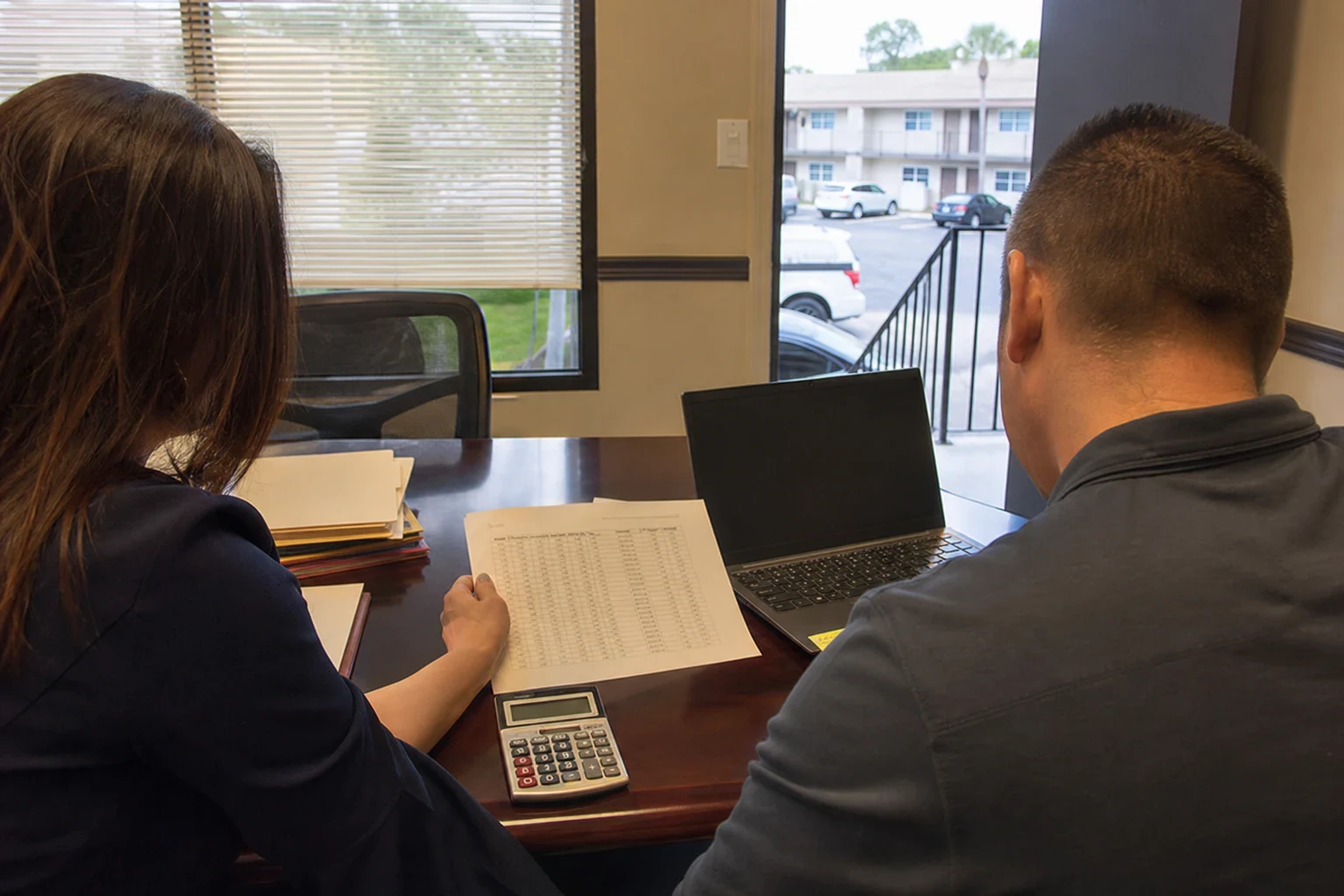
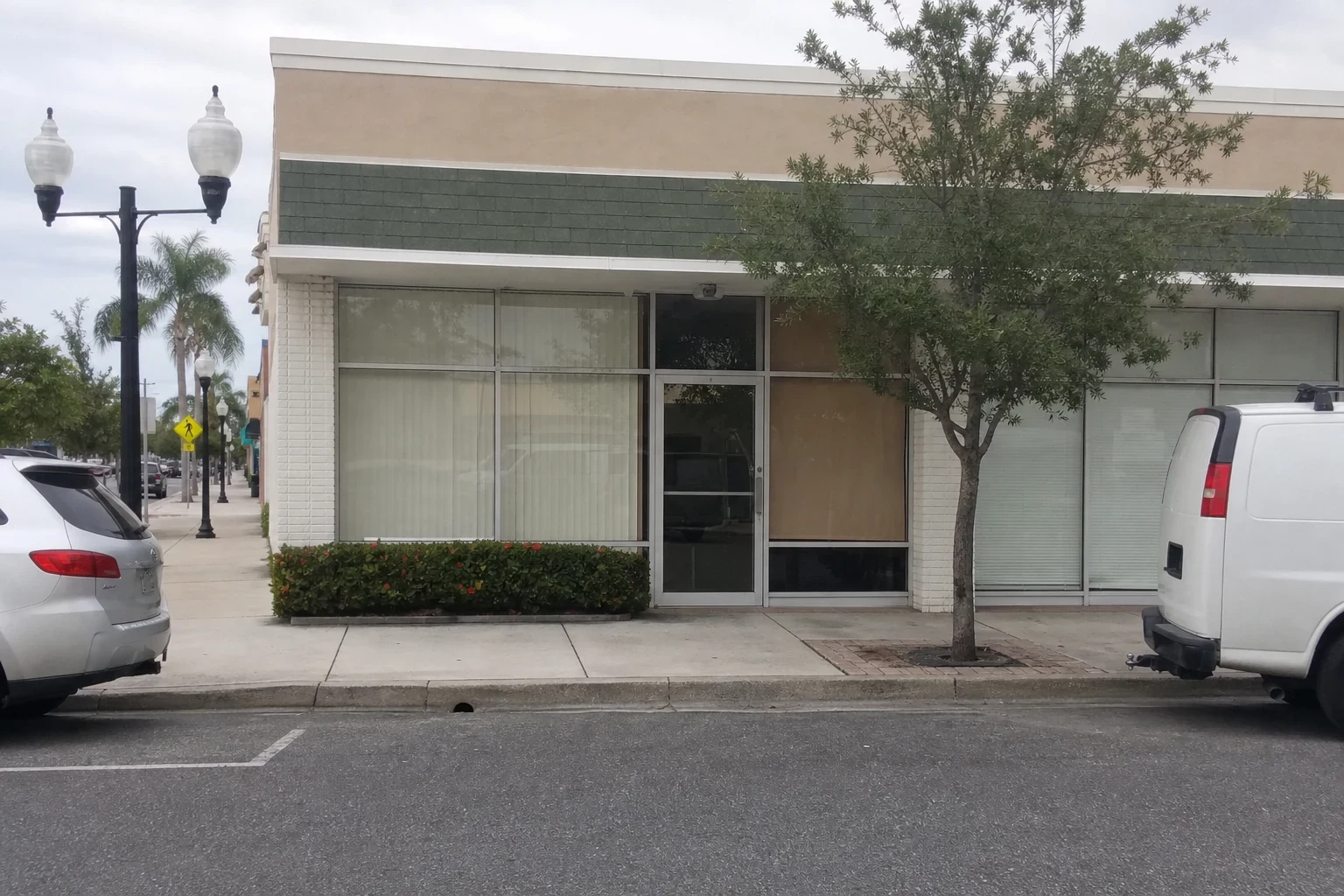
Our office is in Pompano Beach, and we work with rental properties throughout the area. Clients come to us from Deerfield Beach, Margate, Coconut Creek, Fort Lauderdale, Coral Springs and Oakland Park. We also help owners in North Lauderdale, Wilton Manors, Lighthouse Point and Lauderdale-by-the-Sea.
- Pompano Beach
- Deerfield Beach
- Margate
- Coconut Creek
- North Lauderdale
- Oakland Park
- Wilton Manors
- Lighthouse Point
- Lauderdale-by-the-Sea
- Fort Lauderdale
- Coral Springs
Because nearly everything is handled over the phone and on video calls, properties in other parts of Florida are welcome too. Just mention the location when you get in touch.

A Small Firm Focused on One Exemption
We work only on Live Local Act filings. That narrow focus lets us keep up with the rules, the forms and how reviewers read them, so you do not have to learn all of it yourself.
Our clients are property owners, asset managers and on-site teams who already have full workloads. We take the paperwork off their desks and explain each step in a way that makes sense the first time.
- Certifications
- Filings prepared for about 100 Florida properties
Why Owners Bring Their Filings to Us
Most owners come to us with one worry: missing a step and losing a year of savings. We explain each requirement before we touch a form, so you know what is being filed and why.
- Experience across Florida
- Our filings so far cover about 100 Florida properties. Each one showed us where applications tend to get stuck and which documents reviewers check first.
- Every rule in plain English
- Unit counts, income limits, rent caps and deadlines all affect whether a property qualifies. We put each one in ordinary language and show you how your property measures up.
- An honest eligibility answer
- If your property does not qualify, or the savings would not justify the work, we tell you on the first call. You will not be talked into a filing that will not hold up.
- Records that match
- The rent roll, the income certifications and the forms all need to agree. We cross-check them before anything is submitted, which heads off most follow-up questions from reviewers.
- No office visit required
- Many owners and managers never come in. We handle the whole process by phone, video and shared documents, and our office is open for anyone who would rather sit down in person.
What Shapes the Cost of Your Filing
No two properties need the same amount of work. The fee depends on how many units we have to document, how organized the records are and how close the deadline is. We look at all of that before we quote.
Your estimate is based on your actual unit count and records, and we explain the scope by phone before any work begins. A free savings estimate can come first so you can weigh the fee against what the exemption may save.
- Number of units
- Every qualifying unit needs its rent and resident income documented. A building with a few hundred units takes more review than one near the minimum count.
- Condition of your records
- A current rent roll and complete income files keep the work moving. Missing or outdated certifications have to be rebuilt first, and that adds time.
- First filing or renewal
- A first-year application sets up the whole record. Annual recertification usually builds on that work and goes faster.
- Number of properties
- Owners with several buildings can often share one review process. Each property still gets its own certification and county form.
- Timing against the deadline
- Starting early gives room to fix gaps without pressure. A late start can leave little time to gather resident documents.
Questions Owners Ask Us
Something not covered here? (954) 738-7700
How do I know if my property qualifies for the Live Local Act exemption?
Eligibility depends on unit count, the income levels of the residents in qualifying units and whether rents stay within the published limits. Those details vary by property, so we go through them with you on a free eligibility check. You will get a straight answer on that call.
What is the difference between FHFC certification and the DR-504AFH?
FHFC, the state's housing finance agency, confirms that the property meets the program's affordability rules. The DR-504AFH is the form the county property appraiser uses to decide the exemption itself, and it depends on that certification being in place. If either one is off, the exemption can be denied.
Is the exemption a one-time filing?
No, it has to be renewed. Each tax year calls for a fresh FHFC certification and a new county application, and the resident income records behind them must be up to date. Our annual recertification service keeps that cycle on schedule so nothing slips.
What records will you need from me?
Usually a current rent roll, resident income certifications for the qualifying units and basic property details such as the parcel number and unit mix. If something is missing, we tell you exactly what and help you collect it.
Will you tell me if the savings are not worth it?
Yes. We can run a free savings estimate before you commit to anything. If the exemption would save less than the effort it takes, we say so.
Do I need to come to your office?
No. Most clients work with us entirely by phone and video and share documents electronically. You are welcome at our office in Pompano Beach if you prefer to meet in person.
How is resident income verified?
Each qualifying unit needs documentation showing the resident's income falls within the program limit. Our resident income verification service reviews those files, points out gaps and organizes everything to match the forms.

See Where Your Property Stands
Share a few details about the units, rents and residents, and we will go over the eligibility rules together. You get a clear answer before anything is decided.